Read More



Night Recap - October 1, 2026
4 hours ago









NWD ends 11 SKIES project contract with Airport Authority in April next year
30-09-2026 22:11 HKT


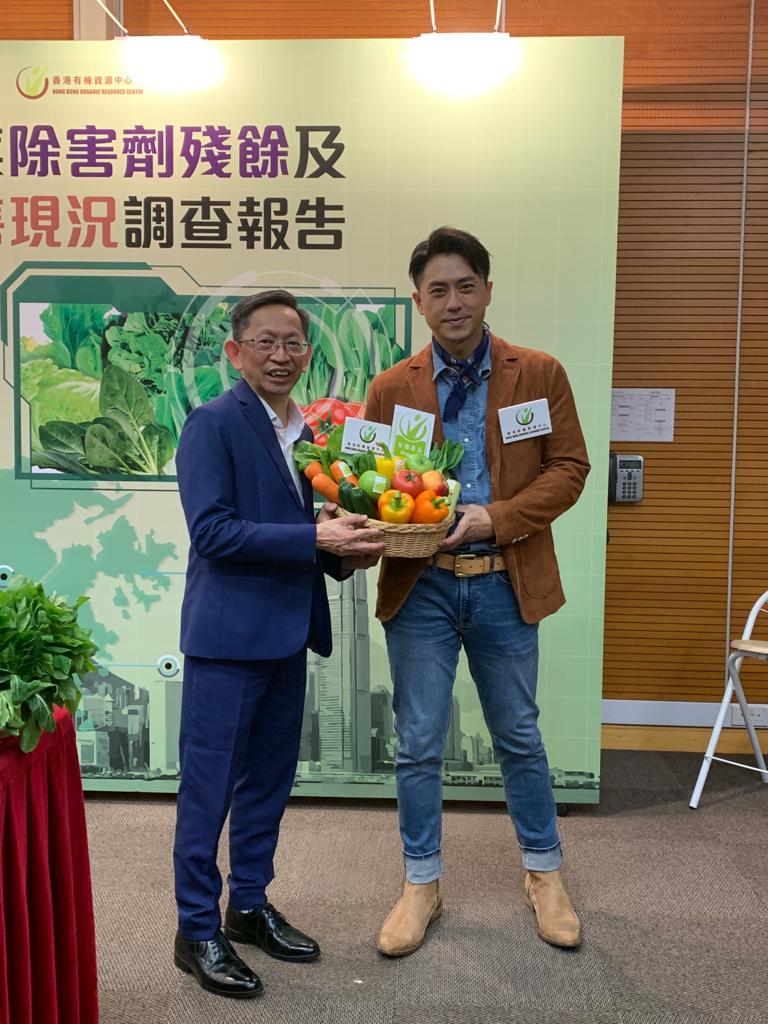
Local study shows 70 percent of vegetables are tainted with pesticides residue, with two samples of organic vegetables breaching legal limits.
Hong Kong Organic Resource Centre from the Hong Kong Baptist University found a high percentage of conventional and self-proclaimed organic vegetables were found containing pesticide residue.
The study has collected a total of 58 organic and non-organic vegetable samples, including choi sum, pak choi, amaranthus and spinach.
The samples were purchased from 149 venues including wet markets, shops and organic farms across all 18 districts to test the presence of heavy metal and 352 types pesticide residues.
Seventy percent of the vegetable samples collected, 41 out of 58, contains pesticide residues regulated under European Union standards.
More than half of them, 34 out of 58, contain pesticide residues exceeding the EU’s Maximum Residue Limit.
Those containing pesticide residue beyond the EU standard include 3 mainland certified organic vegetables, 21 local self-proclaimed organic vegetables, 2 mainland self-proclaimed organic vegetables, and eight non-organic vegetables from mainland and Hong Kong.
The study also found two self-proclaimed organic vegetables containing pesticide residues beyond the Hong Kong standard’s legally tolerated limit.
One of them was purchased from Chuk Yuen Market in Wong Tai Sin, containing 1.42 milligrams per kilogram of Acetamiprid, higher than the government’s MRL of 1.2.mg/kg.
Another was brought from Tin Shing Market in Yuen Long containing 0.34mg/kg of Cyhalothrin, exceeding the stipulated MRL of 0.20mg/kg.
“The health risk caused by consuming the most tainted choi sum sample remains low under normal consuming patterns,” said professor Jonathan Wong Woon-chung, Director of HKORC.
The study also found that less than one third of the self-claimed or certified organic vegetables stalls, 16 out of the 52, sells certified organic vegetables.
Sai Kung had the highest percentage of retail stalls selling self-claimed organic produce, followed by Wan Chai, Tsuen Wan, Kwai Tsing and Southern District.
“Compared to last year, there’s a slight increase in the number of organic produce stores in Hong Kong, so there’s a slight increasing trend of selling fake organic produce in the market,” said Wong.
He suggested that consumers should look for stalls with certified organic produce with certificates displayed in the shop or organic labels when purchasing organic vegetables.
“When going to a wet market you need to be careful for stores that only label organic vegetables by hand writing, and ask them where they produce it, where the farm is and how they produce it,” Wong added.
HKORC urged the government to legislate and regulate the organic product industry and Hong Kong Customs should not ignore the center's request on investigating stalls that sell counterfeit organic goods.